The Stone Guide

Six stones, six temperaments

The stone you choose decides more than the colour of a room. It changes how a piece catches the light, how it wears in over the years, and how much looking after it asks of you. Some stones shrug off a busy household; others reward a little extra care with real drama. Here's an honest guide to each of ours.

Close-up of the Carrara surface

Tuscany, Italy

Carrara

The Tuscan classic, soft and luminous

White to pale blue-grey, with fine, feathery grey veining. Slabs vary gently rather than dramatically.

Calm, bright and easy to live with. Being a calcite marble it will etch with acids, but its light, busy surface hides marks well, especially honed. A forgiving choice for a family table.

Origin
Apuan Alps around Carrara, Tuscany, Italy
Finish
Honed or polished [CONFIRM]
Care
Medium
Etching
High
Staining
Fair
Price

Best for

  • Dining tables
  • Coffee tables
  • Kitchen boards and trays

A calcite marble, so acids like citrus, wine and vinegar will leave dull etch marks; sealing slows staining but cannot prevent etching.
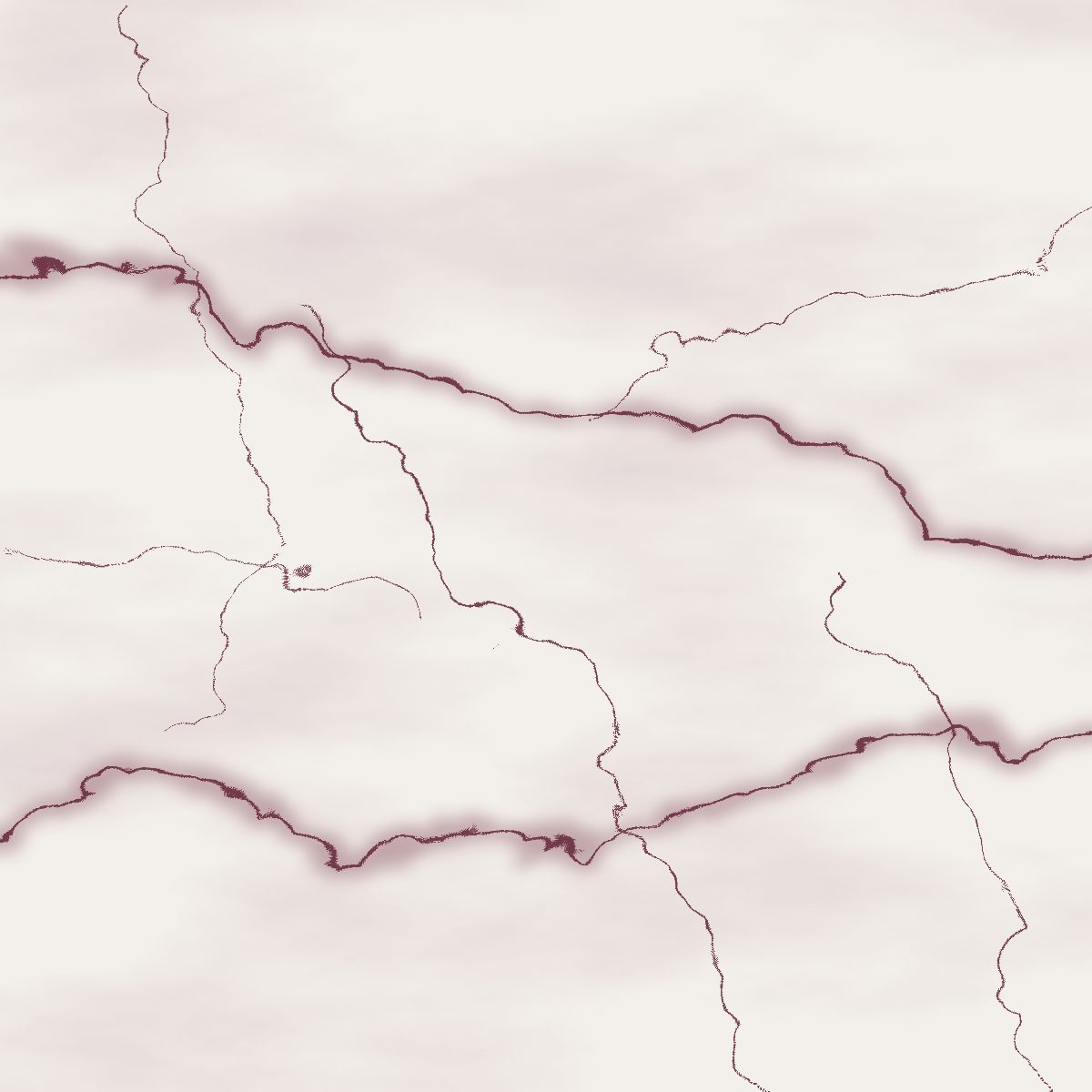
Close-up of the Calacatta Viola surface

Tuscany, Italy

Calacatta Viola

Bright white, swept with burgundy and violet

A bright white ground broken by bold, often breccia-like veins and patches of burgundy, plum and violet. Slabs vary enormously, from lightly veined to almost wholly purple.

Our most dramatic stone, and a piece that becomes the centre of the room. It's a calcite marble, so it etches with acids, and its pale ground shows stains if spills sit. Best where it gets a little attention.

Origin
Apuan Alps near Carrara, Tuscany, Italy
Finish
Honed or polished [CONFIRM]
Care
Higher
Etching
High
Staining
Needs care
Price

Best for

  • Statement coffee tables
  • Consoles and pedestals
  • Decor

Quarried in limited quantities and highly variable; ask to see photos of your actual slab before your piece is made [CONFIRM].

Close-up of the Nero Marquina surface

Basque Country, Spain

Nero Marquina

Deep black, drawn with fine white lines

A deep, even black crossed by crisp white calcite veins, from fine threads to bold strokes.

Graphic and grounding, beautiful with timber, brass and pale walls. The dark surface hides stains well but shows etch marks, water spots, dust and fine scratches more than any of our other stones. It rewards a quick wipe and dry.

Origin
Markina-Xemein, Basque Country, Spain
Finish
Honed or polished [CONFIRM]
Care
Higher
Etching
High
Staining
Good
Price

Best for

  • Side tables
  • Pedestals
  • Candle holders and bookends

A dark calcite marble with white calcite veining. Etch marks show as pale, dull patches, most visibly on a polished finish.

Close-up of the Verde Alpi surface

Aosta Valley, Italy

Verde Alpi

Alpine forest green, rich and moody

Deep forest green, almost black in places, laced with pale green and white veins.

Moody and rich, and one of the more practical stones we offer. Serpentine stones are generally far less sensitive to acids than calcite marbles, though the pale veins can still react. It still needs sealing against stains.

Origin
Aosta Valley, Italian Alps, Italy
Finish
Honed or polished [CONFIRM]
Care
Low
Etching
Low
Staining
Good
Price

Best for

  • Side tables
  • Consoles
  • Vases and trays

Geologically a serpentinite rather than a true calcite marble, though it is traded as marble.

Close-up of the Rosso Levanto surface

Liguria, Italy

Rosso Levanto

Ligurian red, threaded with green and white

Red-brown to wine-dark, broken up by fragments and veins of green and white.

Warm, earthy and a little unexpected. Its busy pattern and deep colour hide everyday marks well. The red-green body is less acid-sensitive than calcite marble, but the white veins can etch.

Origin
Levanto, Liguria, Italy
Finish
Honed or polished [CONFIRM]
Care
Medium
Etching
Medium
Staining
Fair
Price

Best for

  • Side tables
  • Pedestals
  • Bowls and candle holders

A brecciated serpentinite: fragments of older rock naturally cemented together, with white calcite veins. Natural fissures are normal and are filled during finishing [CONFIRM].

Close-up of the Travertine surface

Italy or Turkey [CONFIRM]

Travertine

Warm, honed and wonderfully tactile

Warm beige, cream and honey tones, with soft banding and natural pores.

Relaxed and tactile; it feels warmer under the hand than polished marble. Acids will etch it, but the honed finish hides light etching well. Its pores and open texture mean it needs good sealing so crumbs and liquids don't settle in.

Origin
Commonly quarried around Tivoli, Lazio, Italy, and in Turkey; our source is [CONFIRM]
Finish
Honed [CONFIRM]
Care
Medium
Etching
High
Staining
Needs care
Price

Best for

  • Coffee and dining tables
  • Side tables
  • Vases and trays

Technically a limestone, not a marble. It forms around mineral springs, which leaves its natural pores; these are often filled with resin or cement [CONFIRM: filled or unfilled].

At a glance

How our stones compare on care, etching, staining and price
Stone Care Etching Staining Price
Carrara Medium High Fair
Calacatta Viola Higher High Needs care
Nero Marquina Higher High Good
Verde Alpi Low Low Good
Rosso Levanto Medium Medium Fair
Travertine Medium High Needs care

More dots, more care needed.

Etch sensitivity is how readily acids like lemon, wine or vinegar leave dull marks; stain resistance is how well the stone resists spills soaking in once sealed; care level sums up how much attention it needs day to day.

Honed or polished

Close-up of a Honed stone surface

Honed

A smooth, matte, almost velvety surface that softens colour and feels lovely under the hand. Because the whole surface is already matte, etch marks blend in, which makes honed the forgiving choice for tables that see daily use.

Close-up of a Polished stone surface

Polished

A glossy, reflective surface that deepens colour and makes veining look vivid. It resists staining slightly better, but etch marks show clearly as dull patches against the shine.

Sealing and caring for your stone

Every natural stone is porous to some degree, and marble and travertine react to acids. That's no reason to worry. A few easy habits keep your piece looking beautiful, and the faint marks it gathers over the years simply become part of its character, the way a well-used bistro table wears its history.

What sealing does (and doesn't do)

  • A penetrating (impregnating) sealer soaks into the stone and slows liquids from soaking in, which buys you time to wipe up a spill. It doesn't make stone stain-proof, and it doesn't stop acid etching at all.
  • We seal every piece before it leaves us [CONFIRM], using a penetrating stone sealer [CONFIRM: product type].
  • Reseal dining and kitchen surfaces about every 6 to 12 months, and decorative pieces less often. Porous stones like travertine may need it sooner.

The water test

To check, leave a few drops of water on the surface for 10 to 15 minutes. If the stone darkens underneath, it's time to reseal.

  1. Leave a few drops of water on the surface.
  2. Wait 10 to 15 minutes, then wipe them away.
  3. Darkened underneath? Time to reseal.

To reseal, start with a clean, completely dry surface. Apply a pH-neutral penetrating stone sealer following the maker's instructions, wipe off any excess before it dries, and let it cure fully before use. Ask us and we'll recommend a product [CONFIRM].

Etching or staining?

Etching

A dull or lighter mark where an acid such as citrus, wine, vinegar or some cleaners has reacted with the calcite in the stone. It's a change to the surface itself, not something sitting on it, so sealing can't prevent it. On honed surfaces, light etches blend in over time; deeper ones can be re-honed by a stone restoration professional.

Staining

Colour that has soaked into the stone, such as oil, coffee or red wine, usually showing as a darker patch. Sealing slows it down. Many stains can be drawn out with a poultice, a paste that lifts the stain back out of the stone as it dries.

Everyday care

Do

  • Use coasters, placemats and trays.
  • Blot spills straight away rather than wiping, which spreads them.
  • Clean with a soft cloth, warm water and a pH-neutral stone cleaner.
  • Dry the surface after wiping to avoid water marks.
  • Put trivets under hot dishes and pans.
  • Add felt pads under vases, lamps and decor.

Avoid

  • Acidic or alkaline cleaners: vinegar, lemon, bleach, ammonia and bathroom or kitchen sprays.
  • Abrasive pads, scourers and cleaning powders.
  • Leaving spills to sit overnight.
  • Hot pans or dishes straight on the stone.
  • Dragging heavy objects across the surface.
  • Standing or sitting on tables, or leaning heavy weight on edges.

Stone by stone

  • Carrara Etches with acids but its light, busy surface hides marks well, especially honed; keep it sealed against oils and coffee.

  • Calacatta Viola Etches with acids and its bright white ground shows stains, so seal it regularly and wipe spills fast.

  • Nero Marquina Hides stains but shows etch marks, water spots and dust most of all; wipe and dry it often.

  • Verde Alpi Our most forgiving stone: far less acid-sensitive than marble, though it still needs sealing against stains.

  • Rosso Levanto Its colour and pattern hide everyday marks; the white calcite veins can still etch, so seal it and wipe spills promptly.

  • Travertine Porous by nature, so keep it well sealed, including any filled pores [CONFIRM: filled or unfilled], and wipe crumbs and spills promptly.

Our pieces are designed for indoor use; sun, rain and frost will weather and stain stone over time, and outdoor use isn't covered by our warranty.

Read the full Marble Care guide

Choosing your stone

  1. Busy family dining table

    Choose honed Carrara or honed Travertine; they forgive the most.

  2. A statement piece

    Calacatta Viola or Rosso Levanto bring the drama, honed or polished.

  3. Lowest maintenance

    Verde Alpi resists acid etching better than most.

  4. Not sure?

    See the stone in person or order a sample before you commit.

Hold it before you choose

Our 10 × 10 cm honed samples are cut from the stone we use for our furniture. Your $25 sample cost comes off your next furniture order with us [CONFIRM: credit terms].

See whole slabs and finished pieces at our Marrickville showroom, by appointment. Book a showroom visit